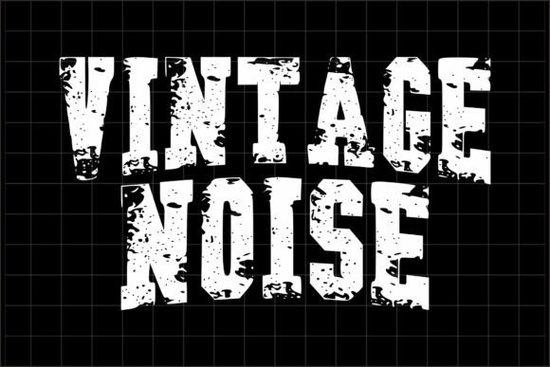
If you are looking for a typeface that brings a raw, tactile feel to your projects, the Vintage Noise Font is a fantastic choice for adding instant character. This distressed display font gives your text a rough, worn texture that looks like real ink pressed heavily onto paper. Instead of a clean, perfect digital finish, it offers an authentic retro vibe that works beautifully for urban posters, streetwear apparel, and industrial branding.
What kind of projects work best with this grunge typeface?
When you need a bold, rebellious look for a rock band poster or a streetwear clothing line, this typeface delivers exactly what you need. It is especially useful for merchandise like t-shirts, hoodies, tote bags, and stickers where a rugged aesthetic really stands out in a crowded market. If you are designing a logo for a craft brewery, a barber shop, or a skate park, the heavy, textured letters give off a strong, masculine energy. You can also use it for social media graphics that need to grab attention without looking overly polished or corporate. For a slightly cleaner but still edgy vibe, you might also want to check out the Sunday Grunge option, or if you need something a bit more stylized and modern, the Quinn typeface offers a nice alternative for your layout.
How do you pair it with other fonts and background textures?
Because the letters already have so much visual weight and built-in texture, you need to be careful with your pairings. Keep your secondary fonts simple and clean to maintain overall readability. A basic, geometric sans-serif works perfectly for body text or subheadings. When it comes to backgrounds, this font shines against dark, moody color schemes or raw materials like concrete, brick, and corrugated metal. Adding subtle halftone patterns or rough paper textures behind the text enhances the printed, analog feel. If your project requires a mix of display styles, you can balance the heavy noise effect by using a smooth, flowing script like Galio Brothers Duo for accent words, or a highly legible, classic serif like Noah for your main paragraphs.
Will the distressed effect ruin the readability of the text?
A common concern with heavily textured fonts is that the distressing makes the words hard to read, especially from a distance. Fortunately, the core structure of these letters remains strong and clear. The rough edges add character without breaking the actual shapes of the alphabet. To ensure your text stays legible, avoid using it for long paragraphs or small font sizes. It is strictly a display font meant for headlines, short phrases, and logos. Print-on-demand sellers should be especially mindful of this, as complex textures can sometimes get lost or muddy when printed on dark fabrics. If you need a highly readable option for larger blocks of text but still want a vintage feel, you might prefer the Radiant Marquee font, which keeps a retro charm without the heavy distressing.
What are the best practices for applying textured fonts?
- Keep your phrases short: Use this typeface for headlines, logos, and single words rather than full sentences to maintain visual impact.
- Watch your background contrast: Place the text on solid, dark, or lightly textured backgrounds to let the rough edges stand out clearly.
- Adjust the letter spacing: Give the letters a little extra breathing room so the distressed edges do not bleed into each other and become illegible.
- Test your prints: Always print a small physical sample first to ensure the fine textured details hold up on your chosen material, especially for apparel.
- Use layer masks: If the built-in texture is too much, place the font on a layer and use a mask to reveal just a hint of the grunge effect.
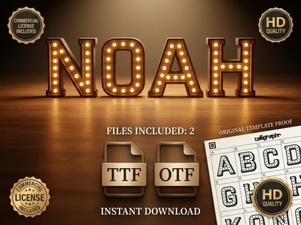 Noah Font: Free Serif Typeface for Creative Projects
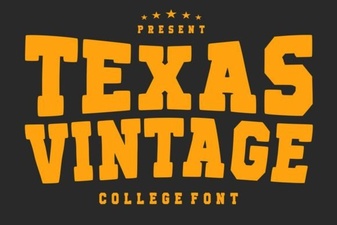 Texas Vintage Fonts for Authentic Project Style
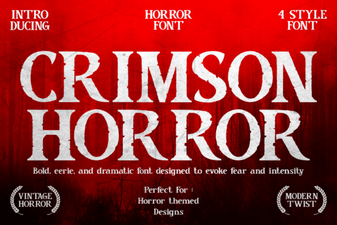 The Crimson Horror Font: a Designer's Guide
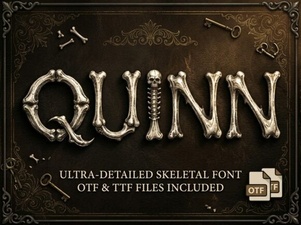 Quinn Font: Creative Design and Usability Guide
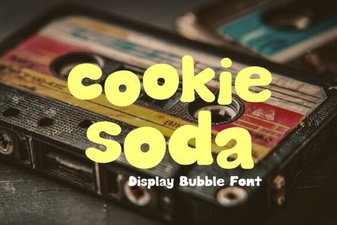 Designing with Cookie Soda Font for Modern Digital Projects
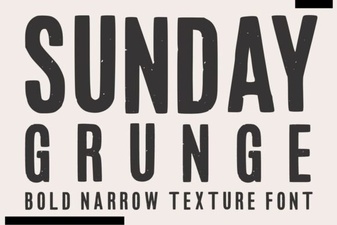 Sunday Grunge Fonts for Raw Creative Projects