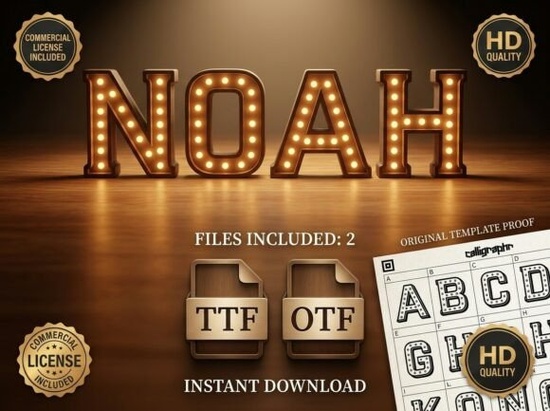
When you need a typeface that immediately grabs attention and sets a vintage, glamorous mood, the Noah Font is a fantastic choice for your display projects. Designed to capture the timeless appeal of Broadway marquees and 1950s cinema, this typeface features bold slab-serif letterforms with a unique internal light bulb pattern. Whether you are designing a logo for a local theater or creating eye-catching social media graphics, this marquee style brings a luminous, old-Hollywood feel to your work.
What makes this marquee style stand out?
The main draw of this typeface is the intricate detail built directly into the letterforms. Instead of just looking like a standard retro sign, the internal light bulb pattern mimics actual glowing theater signage. This high-definition approach means the design holds up beautifully even when scaled up for large prints. If you are exploring other options in the display fonts category and want to compare similar glowing effects, you might also want to look at the radiant marquee options available on the platform.
Where can I use this typeface in my projects?
Because of its highly decorative nature, this typeface is best reserved for short, impactful text. It works wonderfully for small businesses and crafters who need a strong visual hook. Here are some of the most effective ways to use it:
- Event Branding: Perfect for red-carpet events, award ceremonies, or vintage-themed parties.
- Theater and Cinema: Ideal for independent theater logos, playbills, and cinematic movie title sequences.
- Social Media: Use it for high-impact headers, promotional banners, or starlight-themed Instagram posts.
- Packaging: Adds a premium, nostalgic touch to product labels for boutique brands.
If you are working on a modern cinematic project and need something a bit more contemporary for the body text, the Duoline modern display styles offer a sleek, clean alternative to pair with your main headline.
How does it compare to other vintage display options?
Choosing the right retro typeface depends heavily on the specific vibe you want to achieve. If your project requires a grittier, more distressed look for a grunge or rock-and-roll theme, you might prefer these grittier, distressed typefaces. On the other hand, if you want something with a bit more traditional elegance and classic proportions without the light bulb details, you should check out these classic serif proportions. However, for pure, unadulterated theater magic, the the page for this specific glowing style gives you all the exact details and file formats you need.
What are the best tips for pairing and styling it?
Since the letterforms are already packed with visual information, pairing them correctly is crucial for readability. Keep your secondary text simple. A clean, geometric sans-serif or a highly readable, basic serif will balance the heavy, decorative nature of the marquee letters. Never use this typeface for long paragraphs, as the internal patterns will make the text difficult to read at smaller sizes. Stick to headlines, logos, and short phrases.
When choosing colors, think about actual theater signs. Warm yellows, bright whites, and soft reds work beautifully against dark navy or charcoal backgrounds. This color palette reinforces the vintage cinema aesthetic and makes the internal bulb pattern feel genuinely illuminated.
Quick Design Checklist
Before you finalize your layout and send your files to print or publish them online, run through this quick checklist to ensure your design looks its best:
- Check the scale: Make sure the light bulb details are visible. If the text is too small, the internal pattern will blur together.
- Test the contrast: Marquee styles look best with high contrast. Try dark backgrounds with light text, or vice versa, to make the letters pop.
- Limit the text: Keep your headlines to three or four words maximum to maintain visual impact.
- Pair wisely: Ensure your body copy font is simple enough not to compete with the main headline.
- Verify your license: Ensure you have the correct commercial license if you are using this for client work or print-on-demand products.
Once you have verified these steps, your vintage theater design will be ready to step into the spotlight.
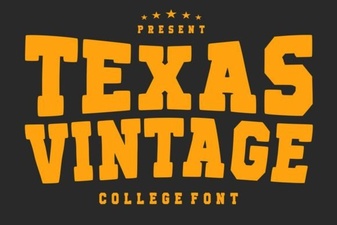 Texas Vintage Fonts for Authentic Project Style
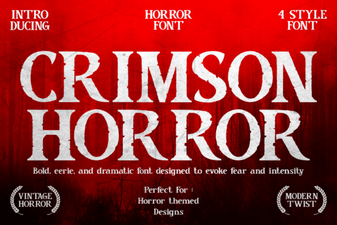 The Crimson Horror Font: a Designer's Guide
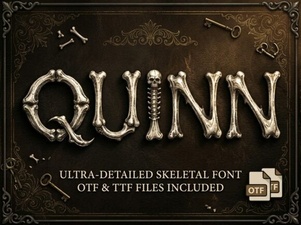 Quinn Font: Creative Design and Usability Guide
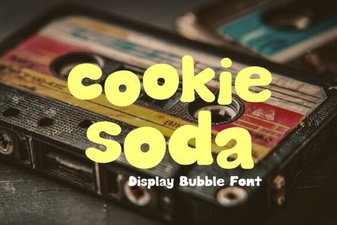 Designing with Cookie Soda Font for Modern Digital Projects
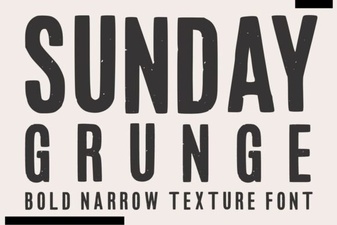 Sunday Grunge Fonts for Raw Creative Projects
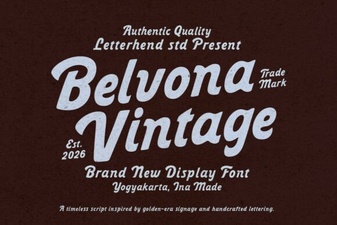 Belvona Vintage Font for Classic Design Projects