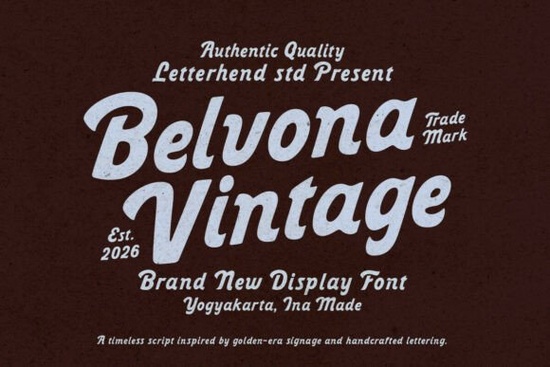
If you are looking to add a touch of classic Americana to your next design project, the Belvona Vintage Font is a fantastic choice. Inspired by old-school storefront lettering, it brings a warm, golden-era charm that feels both nostalgic and highly usable. Whether you are designing a menu for a local diner or creating a heritage logo for a new brand, this typeface gives your work an authentic, slow-roasted attitude that modern scripts often lack. It captures the feeling of a bygone era while remaining perfectly legible for contemporary audiences.
What kind of projects work best with this typeface?
This typeface shines when you need to convey history, quality, and tradition. It is perfect for restaurant menus, especially steakhouses, craft breweries, and artisan bakeries. You can also use it for vintage-style event posters, coffee shop branding, and boutique packaging. The smooth curves and confident strokes make it ideal for any design that needs a bit of rustic warmth. If you are working on a project that requires a slightly different retro mood, you might also want to explore the Vintage Noise typeface for a grittier, distressed texture, or the Radiant Marquee style if you want to mimic illuminated theater signs.
How do I pair it with other styles without cluttering the design?
When working with heavy, character-rich display letters, your secondary font should stay out of the way. A clean, highly legible sans-serif or a simple, traditional serif works best for body text. If your main heading needs a slightly more playful but still retro companion, the Galio Brothers Duo offers a great alternative for subheadings. For a softer, more organic feel that balances the bold strokes of your main title, try pairing it with the Noah typeface. The key is to let the primary lettering do the heavy lifting visually, while the supporting text remains incredibly easy to read.
Is it easy to use for print-on-demand and physical crafting?
Yes, it works beautifully for physical products. When creating designs for t-shirts, mugs, or canvas tote bags, the thick, smooth strokes hold up well after printing or pressing. If you are using a digital cutting machine like a Cricut or Silhouette for vinyl decals, make sure to weld overlapping letters if the software doesn't do it automatically. The connected script elements can sometimes create tiny, unnecessary cut lines. If you prefer a thicker, more bubbly aesthetic for your craft vinyl projects, you might also like the Chunky Angela font for a completely different, yet equally nostalgic, vibe.
What are the best settings for web and digital use?
Because this style has a lot of personality and distinct letterforms, it needs room to breathe on a screen. Increase the letter-spacing slightly when using it for short web headers to prevent the characters from feeling cramped. Keep the line-height generous if you are using it for multi-line quotes or banner text. It is best reserved for large headings, hero banners, or short call-to-action buttons rather than long paragraphs. Using it at smaller sizes on mobile screens can cause the intricate details to blur together.
Quick checklist before you finalize your design:
- Check the scale: Make sure the font is large enough for the smooth curves and intricate details to show clearly.
- Mind the spacing: Add a little extra letter-spacing for digital headers to improve overall readability.
- Limit your color palette: Stick to two or three heritage colors, like cream, mustard, and deep brown, to enhance the retro feel.
- Test in context: Print a physical mockup or view it on a mobile screen to ensure the visual weight doesn't overpower your layout.
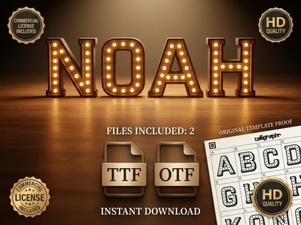 Noah Font: Free Serif Typeface for Creative Projects
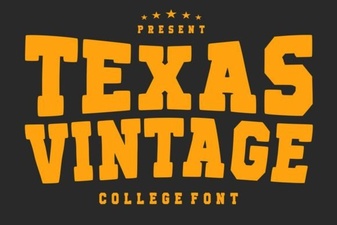 Texas Vintage Fonts for Authentic Project Style
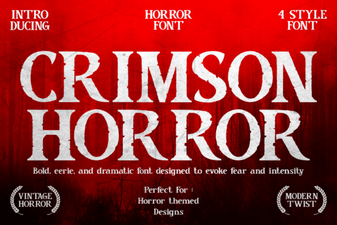 The Crimson Horror Font: a Designer's Guide
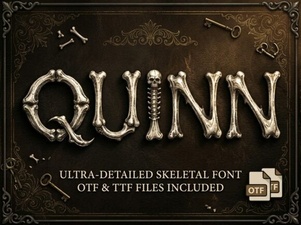 Quinn Font: Creative Design and Usability Guide
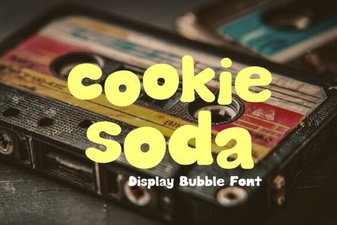 Designing with Cookie Soda Font for Modern Digital Projects
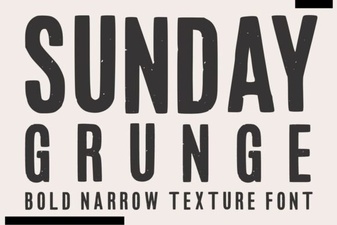 Sunday Grunge Fonts for Raw Creative Projects