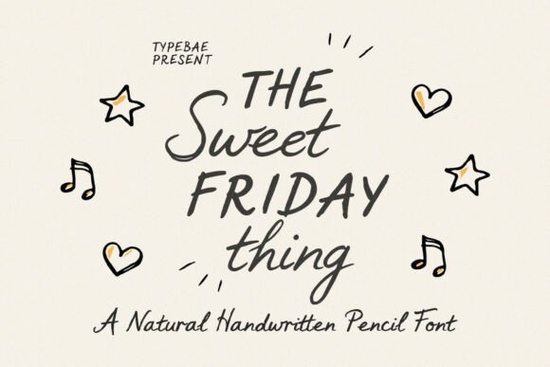
When you want your designs to feel like a personal note passed between friends, the Sweet Friday Thing font is exactly what you need. This natural handwritten pencil font brings the subtle texture and pressure variations of real graphite on paper directly to your screen. It has a casual, breezy rhythm that makes every project feel intimate and heartwarming. Whether you are designing artisanal product labels or writing a lifestyle blog header, this doodle-chic style adds a genuine human touch that standard digital typefaces simply cannot match.
How does the sketchbook style improve product labels?
Small business owners and print-on-demand sellers often struggle to make their packaging feel authentic. Using a pencil-style typeface helps bridge that gap. When you apply this sketchbook aesthetic to soap wrappers, candle jars, or coffee bags, customers immediately sense the handmade quality. It pairs beautifully with minimalist layouts and kraft paper textures. If you are looking for similar rustic vibes for your packaging, you might also want to explore the Rustic Grunge font for a more weathered look, or the Organic Grain font to add a natural, earthy texture to your labels.
What makes this font ideal for children's books and lifestyle blogs?
The playful yet legible nature of this typeface makes it a favorite among illustrators and bloggers. For children's book titles, the uneven baseline and soft graphite strokes feel friendly and approachable, never intimidating. Lifestyle bloggers can use it for Instagram quotes or Pinterest pins to create a cozy, relatable brand identity. The key is to let the letters breathe. Give them plenty of negative space so the unique character of each stroke stands out. For a slightly more structured but still casual feel in your blog headers, the Nebraska Bridge font offers a great alternative with its clean, modern script lines.
How should you pair it with other typefaces?
Because this font has so much personality and texture, it needs a quiet partner. Pair it with a simple, clean sans-serif for your body text or secondary information. This contrast ensures readability while keeping the focus on your main headline. If you are working on a project that requires multiple handwritten styles, mix it with a highly legible brush script. The Heia font provides a smooth, flowing contrast that balances out the rough pencil edges perfectly. Always test your pairing at the actual size it will be printed or displayed to ensure the textures do not clash.
What are the best practices for using textured fonts in print?
Printing textured fonts requires a bit of care to maintain the graphite illusion. Keep these practical tips in mind:
- Use high-resolution settings: Always export your files at 300 DPI to keep the pencil edges crisp.
- Choose the right paper: Matte or uncoated paper stocks absorb ink in a way that mimics real pencil on paper, whereas glossy finishes can make the texture look muddy.
- Watch your colors: Dark charcoal or soft graphite gray often looks more authentic than pure black when printing pencil styles.
- Avoid heavy scaling: Stretching or shrinking the font too much can distort the natural pressure variations of the strokes.
If you want to review the full character set before purchasing, you can check the official product page for all the details and file formats.
Final Design Checklist
Before you finalize your next design project, run through this quick checklist to ensure your typography looks its best:
- Check the legibility of your main headline at a quick glance.
- Ensure your secondary font is at least two weights lighter or simpler than your main font.
- Print a physical proof on your chosen paper stock to verify the texture holds up in real life.
- Verify your layers are properly grouped and named in your design software before exporting.
Taking these extra few minutes will save you from costly reprints and ensure your final product looks exactly as charming as it does on your screen.
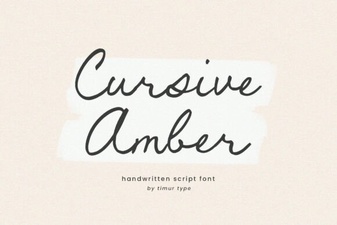 Cursive Amber: Elegant Fonts for Your Designs
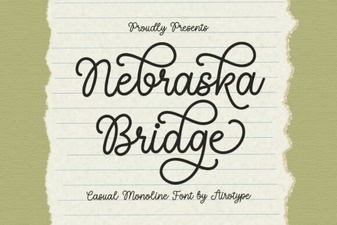 Nebraska Bridge Font: Designs & Creative Uses
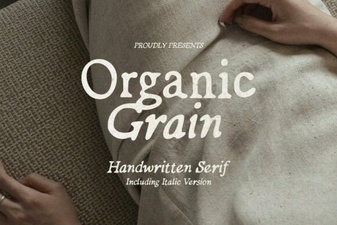 Organic Grain Fonts for Modern Design Projects
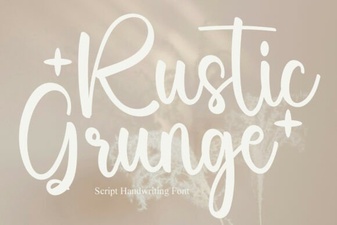 Grunge Fonts for Creative Design Projects
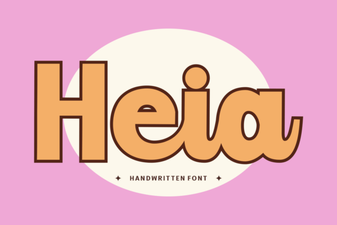 Heia Font: Free Sans Serif for Modern Projects
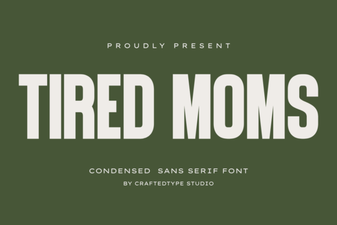 Free Font Designs for Tired Mom Projects