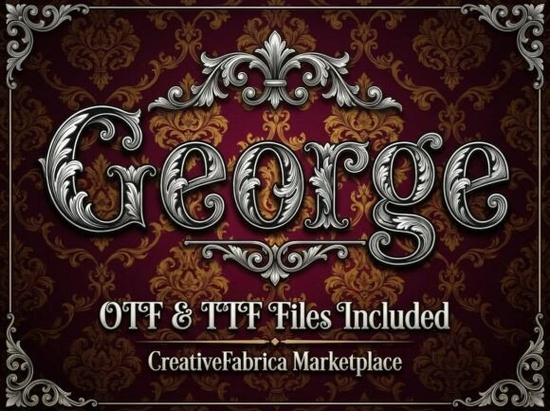
When you need a typeface that instantly communicates luxury and heritage, the George Font is a remarkable choice. This ornate Victorian engraving style brings a level of detail that standard serifs simply cannot match. Whether you are designing a premium spirit label or packaging for a boutique jewelry line, this typeface gives your project an authentic, high-end feel right from the first glance. It is built specifically for creators who need their work to stand out on a crowded shelf.
What makes this Victorian engraving style unique?
The design draws heavy inspiration from the golden age of Victorian printing and traditional banknote engraving. Instead of just giving you a basic letterform, it includes lush acanthus leaf flourishes and elaborate hand-drawn scrolls. These details are nested within a high-contrast serif structure, meaning the thick and thin lines create a sharp, elegant look. The craftsmanship involved in drawing these swashes by hand gives the text a physical, tactile quality that digital-only fonts often lack.
If you are exploring other vintage options for a different project, you might also look at a classic vintage display typeface for a slightly different retro vibe. However, this specific engraving style offers a much more intricate, hand-crafted appearance that leans heavily into formal elegance rather than casual nostalgia.
What are the best use cases for this typeface?
Because of its highly decorative nature, this font works best in specific niches where perceived value and tradition are crucial. Here is where it performs best:
- Premium spirit labels: Whiskey, gin, and craft beer brands use this style to look established, expensive, and rooted in history.
- High-end cigar packaging: The rich, traditional aesthetic matches the heritage and premium pricing of tobacco products perfectly.
- Boutique jewelry branding: It adds a touch of classic elegance to logos, business cards, and custom engraving templates.
- Print-on-demand products: It looks fantastic on vintage-style t-shirt designs, artisanal coffee bags, and wedding invitations.
If you need something with a bit more of a rugged, western feel for your merchandise, a rustic western style might be a better fit. But for pure sophistication and formal branding, this engraving typeface is hard to beat.
How do I pair it with other fonts in my design?
Since the main letterforms and swashes are so detailed, you need to keep the rest of your design clean and readable. Pair it with a simple, highly readable sans-serif or a very basic, unadorned serif for your body text and ingredient lists. The goal is to let the decorative elements shine without overwhelming the reader.
If you are working on a layout that requires a modern contrast, mixing it with a clean modern display typeface for secondary headings can create a beautiful old-meets-new aesthetic. This works particularly well for modern craft brands that want to honor tradition while still looking current. Just remember to let the decorative elements breathe on the page; do not crowd the text with too many other busy graphics or heavy borders.
Are there other decorative styles I should consider?
While this specific Victorian style is perfect for luxury branding, you might need different textures and weights for other projects in your portfolio. For instance, if you want a distressed, worn-out look for a craft brewery label or a music poster, a grunge textured option will give you that aged, authentic feel.
On the other hand, if you are designing a playful retro poster, a sticker sheet, or a bold headline and need something thick and eye-catching, a bold outline style will serve you much better. Choosing the right tool for the specific job ensures your final design always hits the right note with your target audience and meets their visual expectations.
What should I check before sending my design to print?
Working with highly detailed, thin-line typography requires a bit of extra care when preparing files for physical production. Before you finalize your next branding or packaging project, run through this quick checklist:
- Verify brand alignment: Ensure your brand identity truly aligns with a luxury, heritage, or artisanal vibe before committing to such a formal typeface.
- Check print sizes: Test the flourishes and thin hairlines at your intended print size to make sure the fine lines do not get lost or break up on the press.
- Balance the layout: Ensure you have a clean, simple secondary font to balance the heavy details of the main headings.
- Simplify the background: Keep the background relatively simple and untextured so the intricate scrolls remain the clear focal point.
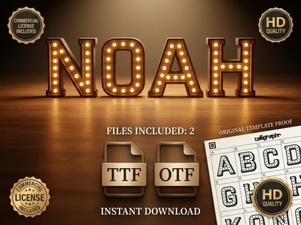 Noah Font: Free Serif Typeface for Creative Projects
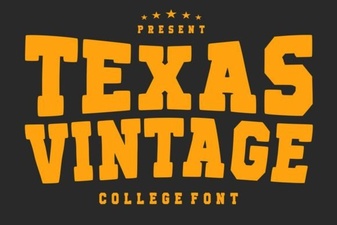 Texas Vintage Fonts for Authentic Project Style
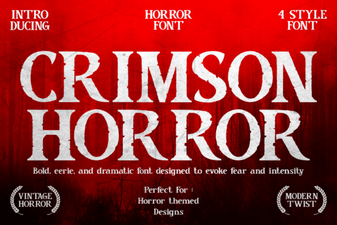 The Crimson Horror Font: a Designer's Guide
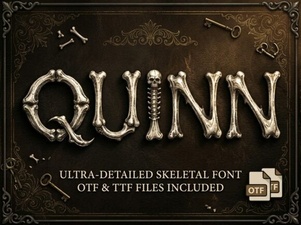 Quinn Font: Creative Design and Usability Guide
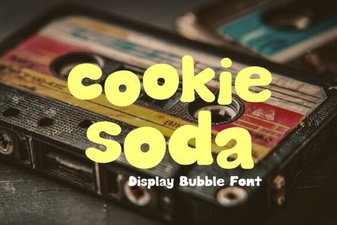 Designing with Cookie Soda Font for Modern Digital Projects
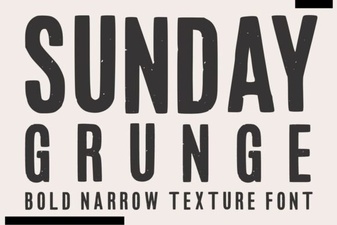 Sunday Grunge Fonts for Raw Creative Projects